
Hours: Open 24/7

Mastering Event Logistics: Coordinating Delivery of Sanitation, Fencing, and Office Trailers
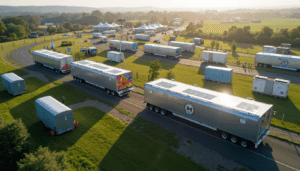
Picture this: thousands of people stream into your large event, but chaos hits because restrooms overflow, fences block access paths, and office trailers sit undelivered. You can’t let that happen. Sanitation, temporary fencing, and office trailers form the backbone of any big gathering, from festivals to corporate conferences.
These elements keep things safe, clean, and organized. Miss the mark on delivery coordination, and the whole day unravels. We’ll break down how to sync them up for smooth operations.
Introduction: The Trifecta of Event Infrastructure Success
Large events demand flawless setup. One slip in logistics can turn excitement into frustration. Sanitation units handle waste, fencing secures the space, and office trailers provide command centers for staff.
Coordinating delivery of these items isn’t simple. You juggle vendors, tight schedules, and huge sites. Yet, get it right, and your event runs like clockwork.
Think of it as building a house: the foundation must come first. Here, that means planning every step with care. This guide shares practical ways to make it work.
Section 1: Foundational Planning and Site Mapping for Integrated Delivery
Defining Scope: Calculating Accurate Unit Needs
Start by estimating crowd size. For a 5,000-person event over three days, you might need 50 portable restrooms. Local rules often require one unit per 100 attendees.
Break it down further. High-traffic spots like food areas call for extra units. VIP sections deserve upscale options with sinks and mirrors.
Use this tip: follow the Portable Sanitation Association International standards. They suggest ratios based on event type. This avoids shortages and fines.
- Factor in weather: Rain boosts usage by 20%.
- Add 10% buffer for surprises.
- Check permits early for compliance.
Blueprinting the Layout: Zoning and Access Prioritization
Draw a clear site map. Mark spots for sanitation near crowds but away from main paths. Place fencing around the edges to define boundaries.
Office trailers go where staff can reach them fast. Ensure paths stay open for trucks. Fencing placement shapes everything else.
Review venue plans for hidden issues. Underground lines could snag fencing posts. Set drop zones far from these risks.
For example, at a music fest, zone restrooms by stage clusters. This cuts walk times and eases truck routes. Prioritize access gates for quick servicing.
Vendor Consolidation vs. Specialization
One vendor for all can simplify life. They handle sync between sanitation, fencing, and trailers. Bills come in one package, too.
But specialists shine in quality. A fencing expert installs faster and stronger. Weigh costs against needs.
Go consolidated for tight budgets and small teams. It cuts coordination headaches. Track past jobs to pick reliable partners.
Pros of single vendor:
- Unified timelines.
- Shared discounts.
- One contact point.
Cons include limited options. Mix it up if your event demands top-tier fencing for high winds.
Section 2: Synchronizing Delivery Timelines: Avoiding Logistical Bottlenecks
The Critical Path: Establishing Sequencing Protocols
Fencing comes first. It sets the site’s shape and safety. Install it a day before other gear arrives.
Next, roll in sanitation units. They need marked spots inside the fence. Office trailers follow, as they demand level ground and clear entry.
Heavy trailers require cranes sometimes. Wait for paths to open. This order prevents jams.
Try a Gantt chart. List tasks in bars: Day 1 for fencing, Day 2 for restrooms and trailers. Share it with all vendors.
Staging and Holding Areas for Early Arrivals
Vendors might show up early. A fence crew could finish ahead by hours. Don’t let gear pile up and block space.
Set aside staging zones. Use corners of the lot for temp storage. Or partner with nearby warehouses for overflow.
Communicate schedules daily. If a sanitation truck beats the clock, direct it to wait. This keeps the main site clear.
At a sports event last year, early trailers sat staged off-site. It freed room for worker prep. No delays hit the kickoff.
Contingency Planning for Missed or Late Deliveries
Delays happen. Storms or traffic snag trucks. Name one lead coordinator for alerts.
When a delivery slips, call the vendor right away. Ask for ETA updates every hour. Shift schedules if needed, like pulling fencing forward.
Have backups ready. List secondary providers for key items. Escalate to event managers only for big misses.
Steps to handle it:
- Confirm the issue via phone.
- Adjust the next tasks.
- Document for claims later.
This approach saved a conference from restroom shortages once. Quick swaps kept guests happy.
Section 3: Site Preparation and On-Site Infrastructure Requirements
Ground Stabilization and Site Protection
Big rigs tear up soft dirt. Pump trucks for sanitation weigh tons. Trailers need flat spots to avoid tilts.
Lay plywood sheets over mud. Use mats for trailer paths. Venues often require these to dodge repair bills.
Check soil type ahead. Sandy ground shifts; add gravel if needed. Protect grass with road plates for heavy loads.
One fairground used mats under fencing posts. It sped install and saved the turf. Prep pays off in smooth teardowns.
Utility Hookups and Power Demands for Office Trailers
Trailers run on power. Plan for 30-amp drops for lights and AC. HVAC units guzzle energy in hot spells.
Most sanitation is self-powered. But trailers might need generators if outlets lack. Rent quiet diesel ones for noise rules.
Map power sources early. Extension cords work short-term, but dedicated lines beat them. Test setups a day prior.
For a week-long expo, we hooked trailers to site gens. It kept offices cool without blackouts. Contrast that with plug-and-play restrooms—no fuss there.
Fencing Installation Best Practices for Security and Aesthetics
Pick chain-link for basics. Add privacy screens for upscale looks. Height must hit six feet for safety.
Install gates with locks first. They control entry before full fencing goes up. Speed matters—aim for one day max.
Follow codes: no sharp edges near crowds. Secure posts deep for wind. This locks in the timeline for other deliveries.
At outdoor markets, screened fences hid storage. It boosted appeal and met regs. Quick setups let sanitation follow right after.
Section 4: Managing Servicing, Maintenance, and Breakdown Logistics
Sanitation Servicing Schedules During High-Volume Events
Events run long. Restrooms fill fast in peak hours. Schedule pumps every four hours for big crowds.
Set routes that dodge foot traffic. Night services work best for quiet. Train staff to spot full units early.
Urgent calls? Use radio alerts to vendors. One music fest added extra trucks mid-day. It nipped hygiene woes.
Keep logs of each service. This tracks patterns and proves compliance. Guests notice clean spots.
Post-Event Breakdown Sequencing
Teardown mirrors setup, but reversed. Remove fencing first. It opens lanes for big hauls.
Then pump out sanitation. Trailers go last, as they need rigging. Clear paths speed the whole process.
Coordinate exit times. Overlap crews to cut days. One corporate gig wrapped in 48 hours this way.
Watch for damage during pulls. Note it on-site to avoid disputes.
Final Site Walkthroughs and Damage Assessment
Walk the grounds after removal. Snap photos of each spot. Compare to pre-event shots.
Get vendor sign-offs on clean returns. This releases deposits fast. List any scuffs from use.
Involve venue reps. Joint checks prevent claims later. A festival team used checklists for zero disputes.
Document everything. It builds trust for future jobs.
Conclusion: Achieving Seamless Event Execution Through Integrated Logistics
Coordinating delivery of sanitation, fencing, and office trailers boils down to smart planning. Sequence matters, from site maps to teardowns. Strong vendor ties make it easier.
You now have tools to avoid pitfalls. Use checklists for every phase. Partner with proven teams based on track records.
Run your next large event without a hitch. Start mapping today—your crowd will thank you.

Organizing Materials and Equipment on Job Sites and at EventsLooking for reliable shower trailer rentals...
Temporary Fencing Solutions: Security, Safety, and ComplianceLooking for reliable shower trailer rentals...
Worker Wellness Programs: Why Construction Companies Are Investing in On-Site Shower FacilitiesLooking...
Event Planning 101: The Hidden Costs of Skipping Professional Sanitation SolutionsLooking for reliable...
Portable Restroom Facilities: Essential Infrastructure for Large Construction ProjectsLooking for reliable...
Boost Event Comfort with ADA Sanitation UnitsLooking for reliable shower trailer rentals for your event...
Office Trailers: Planning a Mobile WorkspaceLooking for reliable shower trailer rentals for your event...
Office Trailers: Planning a Mobile Workspace-[Copy #8870]Looking for reliable shower trailer rentals...
Dumpster Rental Mistakes Event Planners MakeLooking for reliable shower trailer rentals for your event...
Temporary Fencing Tips for Safe Job SitesLooking for reliable shower trailer rentals for your event...