Hours: Open 24/7

Storage Container Solutions: Organizing Materials and Equipment on Job Sites and at Events
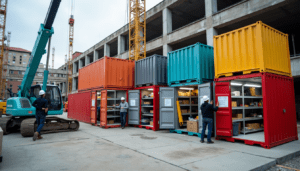
Effective site organization directly impacts project efficiency and safety. Storage containers provide essential infrastructure for construction projects and events, enabling systematic material management and equipment protection. This comprehensive guide explores container selection, optimal placement, and organizational strategies.
The Organization Imperative in Construction
Disorganized job sites create cascading problems. According to Construction Industry Institute research, poor material management costs construction companies 4-7% of project budgets through:
- Time Waste: Crews searching for materials experience productivity loss
- Equipment Damage: Improperly stored equipment deteriorates rapidly
- Safety Hazards: Cluttered sites increase accident risk
- Duplicate Purchases: Lost or misidentified materials lead to unnecessary repurchasing
- Quality Issues: Material degradation from poor storage affects project quality
Strategic storage solutions transform chaotic sites into organized workspaces, directly improving project outcomes.
Understanding Storage Container Types
Standard Shipping Containers: 20-foot or 40-foot metal containers originally designed for maritime transport. Durable and lockable, suitable for long-term storage and valuable equipment.
Portable Storage Containers: Purpose-built modular systems, typically 8x8x12 feet or larger. Designed for easy access and frequent retrieval of materials.
Open-Top Containers: Ideal for bulk materials like aggregates, scrap, or debris. Quick loading and unloading capabilities.
Specialized Containers: Climate-controlled options for sensitive materials, ventilated units for specific storage needs, or containers with built-in organization systems.
Modular Unit Combinations: Multiple containers connected to create large storage complexes for major projects.
Selecting appropriate container types requires understanding specific material storage needs, climate considerations, and access frequency.
Strategic Placement and Site Planning
Optimal container placement balances accessibility with site efficiency:
Proximity to Use Areas: Store materials close to where they’ll be used, minimizing transport distance and labor.
Traffic Flow: Position containers to avoid obstructing site traffic and creating congestion.
Equipment Access: Ensure container placement allows delivery vehicles to dock or unload safely.
Drainage Considerations: Avoid low-lying areas where water accumulates, protecting stored materials from moisture damage.
Security Zones: Position valuable items within secure, monitored areas when possible.
Seasonal Changes: Plans should accommodate seasonal weather variations affecting storage needs.
A typical 50,000 square-foot construction site might utilize 3-5 containers positioned strategically throughout the project area.
Material-Specific Storage Best Practices
Different materials require specialized storage approaches:
Lumber and Dimensional Materials: Store vertically to prevent warping. Provide protection from moisture and direct sunlight. Rotation ensures FIFO (first-in-first-out) inventory management.
Tools and Equipment: Organize systematically with labeled storage, enabling rapid location and inventory tracking. Implement checkout procedures preventing loss.
Fasteners and Small Items: Use shelving systems and organized bins preventing spills and loss of small-value, high-volume items.
Hazardous Materials: Storage must comply with EPA regulations regarding chemical storage. Dedicated containers with ventilation and containment systems are essential.
Electrical and Plumbing Materials: Temperature-controlled storage protects sensitive components. Organization systems enable rapid identification of specific items.
Drywall and Heavy Materials: Store near foundation areas to minimize transport distance and protect building elements.
Finished Goods and Fixtures: Climate-controlled storage protects finishes and appearances for items visible in final installation.
Inventory Management and Tracking Systems
Modern storage solutions integrate with inventory management:
Digital Tracking: QR codes on containers and items enable rapid inventory verification via mobile devices.
Regular Audits: Monthly inventories identify loss, damage, or misplacement requiring investigation.
Access Logs: Documentation of who removes and returns items improves accountability.
Organization Protocols: Standard positioning of materials enables rapid visual identification.
Labeling Systems: Clear, durable labels prevent confusion and accelerate location of needed items.
Effective inventory systems reduce material loss by 15-25%, directly improving project profitability.
Weather Protection and Material Preservation
Storage quality directly affects material longevity:
Moisture Protection: Sealed containers prevent water infiltration damaging materials. Silica gel packets or desiccant systems further protect sensitive items.
Temperature Control: Climate-controlled containers protect items sensitive to temperature fluctuations (adhesives, paints, electronics).
UV Protection: Opaque or covered containers prevent sun damage to materials and finishes.
Ventilation: Proper air circulation prevents mold, mildew, and deterioration in humid climates.
Foundation Elevation: Containers on elevated foundations prevent ground moisture seepage.
Material preservation directly reduces waste, minimizes rework, and protects project budgets.
Security and Loss Prevention
Storage containers serve security functions beyond organization:
Theft Prevention: Secure containers with lockable doors and hinges prevent unauthorized access.
Monitoring Integration: Security cameras positioned near containers provide surveillance deterrence.
Controlled Access: Restricted entry points enable tracking of who accesses materials, supporting accountability.
Night Lighting: Illuminated container areas deter theft during non-business hours.
Inventory Discrepancies: Regular audits identify losses for investigation and corrective action.
Insurance Documentation: Photos of secured and organized materials support insurance claims if theft occurs.
Cost Analysis and Budget Considerations
Storage container rental costs vary by type and duration:
Standard Containers: $150-$300 monthly for 20-foot units; $200-$400 for 40-foot containers Portable Storage: $100-$200 monthly depending on size Delivery/Pickup: $75-$150 per occurrence Monthly Maintenance: Locks, minor repairs, additional features
A typical construction project might budget $500-$1,500 monthly for storage solutions. This represents 0.5-2% of project budgets but frequently yields 3-5x return through reduced material loss and improved efficiency.
Long-term projects (12+ months) often justify purchasing containers for superior cost economics.
Integration with Waste Management
Effective site organization coordinates storage and waste management:
Separate Containers for Waste: Dedicated containers for scrap and debris prevent contamination of reusable materials.
Recycling Protocols: Organized separation of recyclable materials (metals, plastics, wood) reduces disposal costs.
Hazardous Waste: Compliance containers ensure hazardous waste meets regulatory disposal requirements.
Regular Disposal: Scheduled waste removal prevents site clutter and maintains organization.
This integrated approach maximizes material recovery while maintaining site cleanliness.
Event-Specific Storage Requirements
Events have unique storage demands:
Equipment Storage: Sound systems, lighting, staging equipment require secure, organized storage.
Supply Organization: Food, beverages, servingware, and consumables need organized, accessible containers.
Merchandise Protection: Event vendor merchandise and supplies require secure storage preventing loss or damage.
Waste Management: Event-generated waste requires containment and regular removal.
A 1,000-person outdoor event might require 2-3 storage containers for equipment, supplies, and waste management.
Technology Integration and Smart Storage
Modern storage solutions increasingly incorporate technology:
Climate Monitoring: Sensors track temperature and humidity, alerting managers to conditions threatening stored materials.
Access Control: Electronic locks provide audit trails of who accessed containers and when.
Inventory Tracking: RFID tags and mobile applications enable real-time inventory visibility.
Predictive Maintenance: Systems identifying maintenance needs before failures occur prevent damage and loss.
Sustainability and Environmental Considerations
Modern storage approaches integrate environmental responsibility:
Material Preservation: Reducing material waste through proper storage supports sustainability goals.
Recycling Infrastructure: Organized separation of recyclable materials maximizes recovery rates.
Container Reuse: Rental containers are reused thousands of times, eliminating single-use waste.
Energy Efficiency: Climate-controlled containers utilize efficient systems minimizing energy consumption.
Conclusion
Storage container solutions represent essential infrastructure for project success. By understanding container types, implementing strategic placement, and adopting systematic inventory management, project managers transform disorganized sites into efficient workspaces. The modest investment in proper storage yields substantial returns through reduced material loss, improved productivity, and enhanced safety. In competitive markets where efficiency determines profitability, strategic storage solutions provide meaningful advantage.

How to Choose the Right Restroom Trailer Rental for Your Oregon Outdoor EventLooking for reliable shower...
Critical Infrastructure for Disaster Relief and Recovery OperationsLooking for reliable shower trailer...
Eco-Friendly Office TrailersLooking for reliable shower trailer rentals for your event or construction...

Organizing Materials and Equipment on Job Sites and at EventsLooking for reliable shower trailer rentals...
Temporary Fencing Solutions: Security, Safety, and ComplianceLooking for reliable shower trailer rentals...
Worker Wellness Programs: Why Construction Companies Are Investing in On-Site Shower FacilitiesLooking...
Event Planning 101: The Hidden Costs of Skipping Professional Sanitation SolutionsLooking for reliable...
Portable Restroom Facilities: Essential Infrastructure for Large Construction ProjectsLooking for reliable...
Boost Event Comfort with ADA Sanitation UnitsLooking for reliable shower trailer rentals for your event...
Office Trailers: Planning a Mobile WorkspaceLooking for reliable shower trailer rentals for your event...