
Hours: Open 24/7

Temporary Fencing Solutions: Security, Safety, and Compliance for Construction and Event Sites

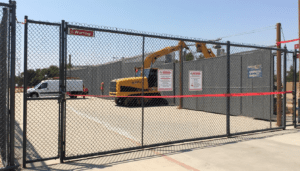
Whether you’re managing a construction project, hosting a large outdoor event, or securing a temporary work area, reliable fencing is essential for security, safety, and regulatory compliance. Modern temporary fencing solutions provide cost-effective alternatives to permanent installations, offering flexibility and professional appearance.
The Multi-Purpose Value of Temporary Fencing
Temporary fencing serves multiple critical functions that extend beyond simple physical barriers:
Security and Access Control: Fencing deters unauthorized entry, protecting equipment, materials, and work areas. Controlled access points enable staff identification verification and maintain site security protocols.
Safety Compliance: OSHA regulations require hazardous work areas to be enclosed or clearly demarcated. Temporary fencing satisfies these requirements cost-effectively.
Liability Protection: Properly fenced and marked work areas reduce liability exposure. In event scenarios, fencing controls crowd movement and protects attendees from hazards.
Professional Appearance: Quality fencing communicates professionalism and competence, particularly important for client-facing projects.
Regulatory Compliance: Municipal codes often require fencing around construction activities, demolition sites, and temporary event venues.
According to the Construction Industry Institute, sites with proper perimeter fencing experience 40% fewer security incidents and 35% reduction in liability claims.
Understanding Temporary Fencing Types
Standard Welded Wire Fence: Economy option providing basic barrier functionality. Economical for short-term projects and temporary demarcation.
Chain-Link Fencing: Durable, visible fencing allowing sight lines. Popular for construction sites because supervisors can observe work areas. More visible than wire fencing.
Privacy Screens: Solid panels blocking external visibility. Used when site aesthetics matter or to shield work areas from public view.
Mesh Fencing: Flexible systems combining safety and visibility. Excellent for events because they control crowd flow while maintaining sight lines.
Steel Barricades: Modular systems ideal for crowd control at events. Quick to install and repositionable for changing event needs.
Safety Fencing: Orange or high-visibility fencing clearly marking hazards. Required by regulations and immediately communicates danger.
Selecting appropriate fencing type depends on project duration, security requirements, visibility needs, and regulatory demands.
Security Applications and Theft Prevention
Construction theft costs the industry $1 billion annually according to National Equipment Services Association. Proper fencing significantly reduces losses:
Equipment Protection: Enclosed areas prevent thieves from easily accessing valuable equipment and materials. Visibility through chain-link allows security personnel to monitor high-value items.
Tool Control: Locked storage areas within fenced perimeters secure expensive hand tools and consumables.
Access Documentation: Gated entry points enable logging of worker entry/exit times and identification verification.
Surveillance Integration: Fenced perimeters create defined camera coverage areas, improving security system effectiveness.
Behavioral Deterrent: The psychological barrier of fencing discourages opportunistic theft better than visible equipment alone.
Safety and Regulatory Compliance
Construction sites must comply with multiple regulatory frameworks:
OSHA Requirements: Hazardous areas must be clearly marked and separated from general work zones. Temporary fencing efficiently separates incompatible activities.
Local Building Codes: Municipal regulations often specify fencing types for specific project classifications.
ADA Considerations: Fencing must not obstruct accessible routes or create barriers for workers with disabilities.
Dust and Particle Control: Environmental regulations in some jurisdictions require erosion control fencing containing dust and debris.
Regulatory documentation should include:
- Fencing installation photos
- Compliance certification from fencing company
- Maintenance and inspection logs
- Incident reports
Event Crowd Management and Safety
Event planners increasingly recognize fencing’s critical role in attendee safety:
Crowd Flow Control: Fencing creates pathways directing attendee movement toward facilities (restrooms, first aid, exits), reducing congestion and panic risk.
Hazard Separation: Barriers keep crowds away from equipment, staging areas, and other hazards.
Emergency Egress: Properly designed fencing includes multiple emergency exits, critical for crowd safety.
Vendor Area Separation: Fencing separates vendor areas, merchandise displays, and equipment from attendee zones.
VIP Area Protection: Event security requires controlled access zones for VIP guests and staff.
The International Association for Event Safety recommends fencing as a core component of comprehensive event safety plans.
Strategic Fencing Placement and Design
Effective fencing requires strategic planning:
Site Survey: Assess work areas, identify hazards, and determine access points before selecting fencing systems.
Perimeter Determination: Fencing should encompass entire hazard zones while allowing efficient workflow.
Access Point Planning: Limit entry/exit points to enable control while avoiding congestion.
Signage Integration: Combine fencing with appropriate warning signs and directional signage.
Wind Resistance: Consider local wind patterns; solid barriers may require additional bracing.
Ground Conditions: Soft or sloped terrain may require specialized installation techniques.
Costs and Budget Considerations
Temporary fencing costs vary widely based on type, duration, and location:
Standard Chain-Link: $3-$8 per linear foot for monthly rental Privacy Screen Fencing: $5-$12 per linear foot Steel Barricades: $20-$50 per unit monthly Installation/Removal: $500-$2,000 depending on project scope Signage and Markings: $100-$500
A typical 500-linear-foot construction site perimeter might cost $1,500-$4,000 monthly, representing 1-3% of project budgets.
Consider longevity: Temporary fencing lasting multiple projects becomes more economical than short-term rental.
Environmental and Sustainability Considerations
Modern fencing solutions increasingly address environmental concerns:
Erosion Control: Biodegradable fencing containing sediment runoff satisfies environmental regulations.
Recyclable Materials: Steel and aluminum fencing systems are fully recyclable, reducing waste.
Reusable Design: Rental systems promote reuse rather than single-use disposal.
Minimal Ground Impact: Temporary systems avoid permanent landscape disruption.
Companies pursuing LEED certification or similar green credentials should specify sustainable fencing solutions.
Professional Installation and Maintenance
While tempting to cut costs with DIY installation, professional services provide advantages:
Proper Anchoring: Professional installation ensures fencing withstands weather and stress testing.
Safety Compliance: Professionals understand regulatory requirements and installation standards.
Damage Prevention: Proper installation prevents property damage and liability exposure.
Quick Resolution: Professional providers handle repairs and adjustments rapidly.
Documentation: Installation companies provide compliance certifications and records.
Case Study: Integrated Security Solution
A 24-month commercial construction project in an urban area faced significant security challenges in a neighborhood with high theft rates. Initial temporary fencing was inadequate, resulting in $180,000 in equipment theft during the first phase.
Upgrading to privacy screen fencing with controlled access gates and integrated lighting reduced subsequent theft to near-zero. The additional $15,000 investment paid for itself through theft prevention in the first quarter.
Selecting the Right Fencing Provider
Key considerations when choosing a fencing partner:
- Industry Experience: Providers understanding construction and event requirements navigate complexities more effectively
- Equipment Quality: Well-maintained equipment performs more reliably and presents more professional appearance
- Flexibility: Can they accommodate mid-project changes and emergency needs?
- Support: Do they provide rapid response to damage or maintenance issues?
- Compliance Expertise: Can they navigate regulatory requirements for your specific project?
RHC Site Services provides comprehensive fencing solutions with expert installation and ongoing support.
Conclusion
Temporary fencing represents a critical investment in project security, worker safety, and regulatory compliance. By selecting appropriate fencing types, planning strategic placement, and partnering with experienced providers, project managers ensure their sites are protected, professional, and compliant. The modest investment in proper fencing prevents costly security losses, reduces liability exposure, and demonstrates professionalism to clients and stakeholders.

How to Choose the Right Restroom Trailer Rental for Your Oregon Outdoor EventLooking for reliable shower...
Critical Infrastructure for Disaster Relief and Recovery OperationsLooking for reliable shower trailer...
Eco-Friendly Office TrailersLooking for reliable shower trailer rentals for your event or construction...
Organizing Materials and Equipment on Job Sites and at EventsLooking for reliable shower trailer rentals...

Temporary Fencing Solutions: Security, Safety, and ComplianceLooking for reliable shower trailer rentals...
Worker Wellness Programs: Why Construction Companies Are Investing in On-Site Shower FacilitiesLooking...
Event Planning 101: The Hidden Costs of Skipping Professional Sanitation SolutionsLooking for reliable...
Portable Restroom Facilities: Essential Infrastructure for Large Construction ProjectsLooking for reliable...
Boost Event Comfort with ADA Sanitation UnitsLooking for reliable shower trailer rentals for your event...
Office Trailers: Planning a Mobile WorkspaceLooking for reliable shower trailer rentals for your event...