Hours: Open 24/7

Seasonal & Weather Considerations for Site Rentals: Summer, Winter, Rain & Disaster-Ready Planning
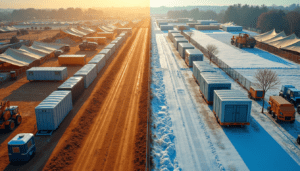
Weather plays a major role in how well your site rentals perform—whether you’re managing a construction project, hosting an event, coordinating a festival, or preparing a rapid-response site.
Extreme heat, freezing winter temperatures, heavy rainfall, storms, and natural disasters can all affect portable toilets, office trailers, dumpsters, temporary fencing, shower trailers, and sanitation services.
Understanding weather-specific requirements helps you:
Maintain regulatory compliance
Avoid system failures
Prevent site downtime
Keep workers and guests comfortable
Protect your rental equipment
This guide covers summer, winter, rain, and disaster-ready considerations, backed by best practices and reliable high-authority resources.
☀️ 1. Summer Site Rentals: Heat, Hydration & High Usage
High temperatures can stress workers, increase dehydration risks, and affect sanitation equipment.
Key Considerations
🔹 1.1. Extra Hydration & Handwashing
High heat demands more water stations, sanitary facilities, and rest areas. OSHA highlights heat-illness risks and hydration importance for outdoor workers.
Source: OSHA Heat Guidance
https://www.osha.gov/heat-exposure
🔹 1.2. Increased Portable Toilet Servicing
Heat accelerates odor buildup.
Add extra servicing (1–2 additional cleanings weekly).
Ensure units have ventilation and deodorizing agents.
Reference: PSAI Hot Weather Practices
https://psai.org
🔹 1.3. Shade & UV Protection
Place toilets and handwash stations:
Under temporary shade
Against buildings for sun protection
🔹 1.4. Heat-Resistant Materials & Cooling Options
For office trailers:
Ensure functional AC
Add insulation if needed
Keep electrical load within safe limits
❄️ 2. Winter Site Rentals: Freezing Temperatures & Ice Hazards
Cold weather impacts plumbing, waste removal, foot traffic, and equipment reliability.
Key Considerations
🔹 2.1. Winterization of Portable Toilets
Freezing temperatures can freeze holding tanks, making toilets unusable.
Solutions:
Add safe antifreeze (non-toxic formulas recommended by PSAI).
Schedule more frequent pumping.
Use insulated or heated units when available.
Winter sanitation guidelines:
https://psai.org
🔹 2.2. Heated Office Trailers
Cold weather increases the need for:
Proper trailer insulation
Electric or propane heating
Weather-sealed doors/windows
🔹 2.3. Safe Pathways & Ice Management
Salt, gravel, or heated mats prevent slip hazards around:
Portable toilets
Hand-wash stations
Dumpster drop-off zones
Site access points
🔹 2.4. Waste Container Stability
Freezing rain or snow adds weight to dumpsters.
Follow EPA solid-waste guidelines:
https://www.epa.gov/rcra
🌧️ 3. Rain, Mud & Storm-Ready Planning
Rain and storms disrupt mobility, sanitation, and waste-handling systems.
Key Considerations
🔹 3.1. Elevation for Portable Toilets & Trailers
Avoid placing units:
In dips or low areas
Near drainage channels
Where mud accumulation occurs
🔹 3.2. Anchoring Temporary Fencing
Wind and storms increase fencing stability risks.
Use:
Sandbags
Heavy-duty posts
Interlocking barriers
Temporary fencing safety standards:
https://www.osha.gov
🔹 3.3. Dumpster Rain Management
Dumpsters can collect water, leading to excess weight, overflow, and contamination.
Recommendations:
Covered dumpsters
Waterproof tarps
Proper runoff channels
🔹 3.4. Electrical Safety for Trailers
Storms pose electrocution and short-circuit risks.
Ensure:
Elevated power cables
Waterproof connections
GFCI-protected outlets
⚠️ 4. Disaster-Ready Planning: Emergencies, Wildfires, Hurricanes & Earthquakes
For government agencies, event managers, and contractors supporting emergency response—disaster-ready rentals must be part of the preparedness plan.
Key Considerations
🔹 4.1. Rapid Deployment Units
Disaster-response sites require:
Portable toilets
Shower trailers
Office trailers
Sleeping quarters
Light towers
Waste management systems
🔹 4.2. FEMA & Emergency Response Standards
Emergency sanitation and water guidelines follow FEMA and EPA recommendations for emergency operations.
FEMA resource collections:
https://www.fema.gov
🔹 4.3. Self-Contained Systems
During disasters, utilities may be unavailable.
Consider:
Solar-powered trailers
Non-potable and potable water tanks
Independent waste tanks
Mobile handwash units
🔹 4.4. Heavy Rain, Fire, and Storm-Safe Placement
Avoid power lines
Keep units clear of falling tree zones
Position away from fire-prone areas and wind corridors
🛠️ 5. Seasonal Planning Checklist (Downloadable Version Available)
Summer:
✔ Extra servicing
✔ Shaded placement
✔ Increased water supply
✔ AC-enabled office trailers
Winter:
✔ Anti-freeze in toilets
✔ Heated trailers
✔ Ice-free footpaths
✔ Insulated water tanks
Rain & Storms:
✔ Anchored fencing
✔ Covered dumpsters
✔ Elevated unit placement
✔ Storm-proof electrical setup
Disaster Preparedness:
✔ Rapid deployment equipment
✔ Stand-alone power/water
✔ FEMA-aligned sanitation
✔ Fire and flood-safe placement
🎯 Conclusion
Seasonal and weather-ready site planning is essential for safety, compliance, comfort, and uninterrupted project operations.
With extreme weather events becoming more common, the best approach is preparation—choosing site rental providers who understand all seasonal challenges and offer tailored solutions.
Proper planning ensures your site remains functional, compliant, and safe throughout the year, no matter the weather.

How to Choose the Right Restroom Trailer Rental for Your Oregon Outdoor EventLooking for reliable shower...
Critical Infrastructure for Disaster Relief and Recovery OperationsLooking for reliable shower trailer...
Eco-Friendly Office TrailersLooking for reliable shower trailer rentals for your event or construction...
Organizing Materials and Equipment on Job Sites and at EventsLooking for reliable shower trailer rentals...
Temporary Fencing Solutions: Security, Safety, and ComplianceLooking for reliable shower trailer rentals...
Worker Wellness Programs: Why Construction Companies Are Investing in On-Site Shower FacilitiesLooking...
Event Planning 101: The Hidden Costs of Skipping Professional Sanitation SolutionsLooking for reliable...
Portable Restroom Facilities: Essential Infrastructure for Large Construction ProjectsLooking for reliable...
Boost Event Comfort with ADA Sanitation UnitsLooking for reliable shower trailer rentals for your event...
Office Trailers: Planning a Mobile WorkspaceLooking for reliable shower trailer rentals for your event...