
Hours: Open 24/7

When to Use Office Trailers vs. Restroom Trailers: A Guide for On-Site Managers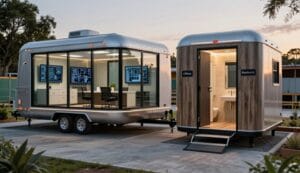
Picture this: You’re overseeing a construction project mile from the city. Your team needs a place to plan, file reports, and stay connected. But they also require clean bathrooms to keep everyone healthy and focused. Choosing between office trailers and restroom trailers can make or break your site’s success. These mobile units serve different needs—one boosts work output, the other handles basic human requirements. The right pick depends on your crew’s daily tasks and how long you’ll be out there.
Office Trailers vs. Restroom Trailers: Choosing the Right On-Site Solution
Introduction: Site Needs Dictate Temporary Structure Selection
On busy construction sites or remote work zones, temporary buildings keep things running smooth. Office trailers act as command centers for paperwork and meetings. Restroom trailers ensure workers have safe, clean spots to take breaks. Your choice boils down to what matters most: driving projects forward or meeting health rules.
Think about a large build job with 50 workers. Without an office trailer, managers scramble with laptops in trucks. Skip restroom trailers, and folks might head home early due to poor facilities. Both options fit event setups too, like festivals where crowds gather fast. Pick wrong, and costs climb from delays or fines. Smart sites blend these tools for top efficiency.
Section 1: Defining the Role: Office Trailers for Productivity and Management
Core Functions of Mobile Office Trailers
Office trailers turn any spot into a work hub. They house desks, computers, and storage for tools like blueprints. Teams use them for quick huddles or long planning sessions. In sales roles, these units serve as pop-up showrooms for clients.
You gain space without building permanent walls. Doors lock tight for private talks. Windows let in light to cut down on stuffy feels. Power outlets support printers and phones. All this helps your group stay on task.
Key Features and Customization Options
Standard setups include air conditioning to beat the heat. Heaters keep winter work cozy. Internet ports link everyone online. Layouts shift with partitions for private offices. Furniture packs come with chairs and tables ready to use.
Go custom for your needs. Add extra outlets for heavy gear. Paint walls to match your brand. Solar panels cut energy bills on sunny sites. These tweaks boost comfort and speed up daily jobs.
Ideal Use Cases: When an Office Trailer is Non-Negotiable
Long construction runs demand on-site admins. Managers track budgets and schedules right there. No more trips back to town. Disaster zones need command posts fast. Aid workers coordinate from inside, safe from weather.
Field training fits perfect too. New hires learn skills without distractions. Temporary sales at trade shows draw buyers. Secure storage guards important files from theft. If your project spans months, an office trailer saves time and hassle.
Section 2: Understanding Restroom Trailers: Compliance, Capacity, and Comfort
The Necessity of High-Quality Mobile Sanitation
Restroom trailers beat old porta-potties hands down. They offer real toilets and sinks with running water. Rules from OSHA require clean facilities for workers. Skip this, and you face health risks or shutdowns.
These units keep morale high. Tired crews work better with easy access to bathrooms. Water and soap fight germs on dirty sites. ADA rules mean ramps and wide doors for all users. Events like weddings need them to impress guests.
Modern designs include lights and mirrors. Climate control stops summer sweat or winter chills. Waste tanks hold plenty before service calls. This setup meets codes and eases daily use.
Comparing Unit Types: Standard vs. Luxury Restroom Trailers
Basic models tow easy and cost less. They have simple stalls and hand wash stations. Good for short jobs with small teams. No frills, but they get the job done clean.
Luxury versions step up with flush valves and hot water. Mirrors and counters add a home-like touch. Air conditioning flows through vents. These shine at big events or upscale builds. Pick based on your crowd’s expectations.
Capacity Planning and Event Logistics
Match size to your group. A 10-stall unit handles 100 people at peaks. Construction crews of 20 might need two smaller ones. Events pack in more, so plan for rushes.
Duration matters too. Short fairs use quick setups. Long projects demand sturdy tanks. Use this tip: Aim for one fixture per 10 workers per shift, per industry guides. Check attendance forecasts. Place units near paths but not in mud. This cuts lines and boosts flow.
Section 3: Critical Comparison Points: Operational Focus and Footprint
Evaluating Needs Based on Site Duration and Activity
Office trailers suit ongoing tasks like planning. They need steady power for lights and tech. Restroom trailers focus on quick visits. Their needs stay low, just for pumps and fans. Short events lean toward restrooms. Long hauls often pair both.
Site type guides your call. Busy roadsides favor compact restrooms. Open fields handle big office units fine. Activity level counts—high admin work screams office. Heavy labor yells for sanitation first.
Infrastructure Requirements (Power and Utilities Hookup)
Office trailers gulp electricity. Computers, lights, and AC units draw 20-50 amps. Hook to generators or site power. Water lines feed sinks and coolers.
Restroom trailers use less. Pumps run on 15 amps max. Solar lights work in remote spots. Waste systems drain to tanks, no sewer needed. Easy setups save setup time.
Permitting, Placement, and Site Accessibility
Local rules check unit size. Office trailers, often 40 feet long, need bigger zones. Permits cover fire safety and access roads. Restrooms slip in smaller spaces, under 20 feet.
Ground must hold weight. Gravel pads steady both. Trucks deliver to flat areas. Place offices near gates for quick entry. Restrooms go central but out of sight. Check soil before drop-off.
Section 4: Cost Analysis: Rental Investment vs. Operational Value
Financial Considerations: Short-Term Rentals Versus Long-Term Leases
Rent office trailers at $500-1,500 weekly. Size and features bump the price. Long leases drop to $2,000 monthly. Restrooms start at $200-600 per week. Service adds up fast for high use.
Short gigs pick daily rates. Weekends for events cut costs. Long jobs lock in deals. Compare quotes from vendors. Factor delivery fees too.
The True Cost of Servicing and Maintenance
Restrooms need weekly cleanings. Waste pumps out, supplies refill. Miss it, and smells drive workers away. Fines hit $1,000 per violation. One site lost a day to bad upkeep, costing $5,000 in delays.
Office units stay simple. Check utilities monthly. Clean inside yourself. No waste hauls mean lower tabs. Dust from sites calls for quick wipes.
ROI: Measuring Productivity Gains vs. Hygiene Compliance
Office trailers pay back in hours saved. Teams finish reports on site, not commuting. Gains hit 20% in output, some studies show. Morale rises with comfy spaces.
Restrooms guard against fines and sick days. Clean spots keep 10% more workers present. Health codes avoid lawsuits. Both investments tie to smooth runs, but offices drive cash flow direct.
Section 5: Integration and Multi-Unit Deployments
When You Need Both: Creating a Fully Functional Temporary Site
Solo units fall short on big scales. Pair office and restroom trailers for full setups. Construction firms often rent combos. Events like marathons need both for staff and crowds.
This mix covers all bases. Admins work while crews stay close. No one leaves for basics. Scalable for growing projects.
Strategic Placement for Workflow Efficiency
Put offices by main paths. Workers grab tools then head in. Keep restrooms 50-100 feet away. Hide them behind fences for privacy. Paths connect easy.
Map your site first. Note wind and sun spots. Offices face views for breaks. Restrooms avoid downhill slopes for drains. This flow cuts steps and boosts speed.
Leveraging Utility Sharing for Scalability
Link units to one generator. Offices take the bulk power, restrooms tap extras. Shared water lines fill tanks quick. Portable setups grow with needs.
Add more as crews expand. One power drop serves three units. Saves on rentals and fuel. Test connections before launch.
Conclusion: Finalizing Your Temporary Site Strategy
Office trailers fuel business tasks. Restroom trailers guard health and rules. Both make sites work better, but match them to your setup.
Assess crew size, job length, and local laws first. Talk to vendors early. Use this checklist:
- List daily needs: Planning or breaks?
- Check power sources on site.
- Budget for rent plus service.
- Plan spots for easy access.
- Review permits now.
Ready to gear up? Contact a trailer rental pro today. Your next project deserves the right fit.

How to Choose the Right Restroom Trailer Rental for Your Oregon Outdoor EventLooking for reliable shower...
Critical Infrastructure for Disaster Relief and Recovery OperationsLooking for reliable shower trailer...
Eco-Friendly Office TrailersLooking for reliable shower trailer rentals for your event or construction...
Organizing Materials and Equipment on Job Sites and at EventsLooking for reliable shower trailer rentals...
Temporary Fencing Solutions: Security, Safety, and ComplianceLooking for reliable shower trailer rentals...
Worker Wellness Programs: Why Construction Companies Are Investing in On-Site Shower FacilitiesLooking...
Event Planning 101: The Hidden Costs of Skipping Professional Sanitation SolutionsLooking for reliable...
Portable Restroom Facilities: Essential Infrastructure for Large Construction ProjectsLooking for reliable...
Boost Event Comfort with ADA Sanitation UnitsLooking for reliable shower trailer rentals for your event...
Office Trailers: Planning a Mobile WorkspaceLooking for reliable shower trailer rentals for your event...